Best Lighting For Salon: Color Accuracy, Brightness, Performance, And Client Comfort
Salon lighting shapes everything before a single word is spoken. We notice it the moment we walk in, even if we don’t realize it. Too dim and the space feels tired, too harsh and clients tense up without knowing the reason.
In this guide, we look at the best lighting for salon interior design. It’s less about chasing trends and more about understanding how light behaves around mirrors, faces, and color-treated hair. Read on to learn about how to support precision work, flatter skin tones, and a comfortable environment.
Key Takeaways
- Effective salon lighting balances color accuracy, brightness, and comfort rather than focusing on appearance alone.
- Layered lighting performs better than relying on a single fixture type across the space.
- LED solutions provide consistency, efficiency, and flexibility for modern salon environments.
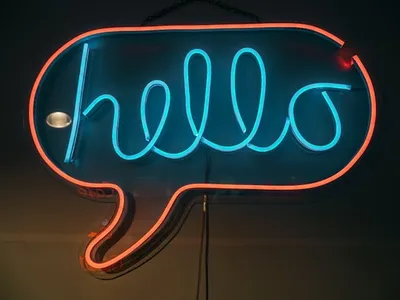
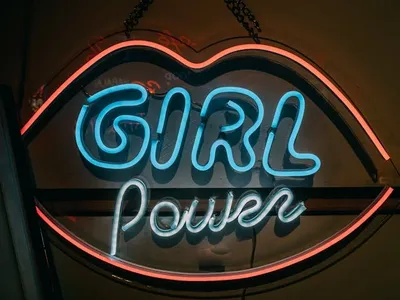
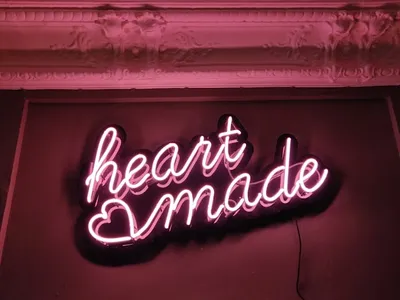
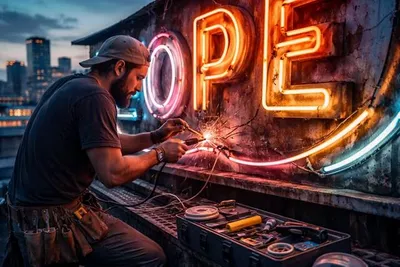
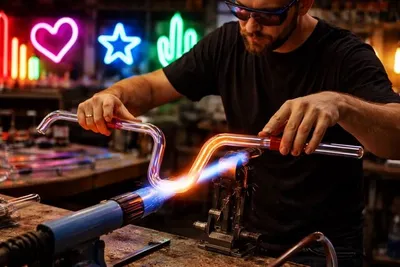
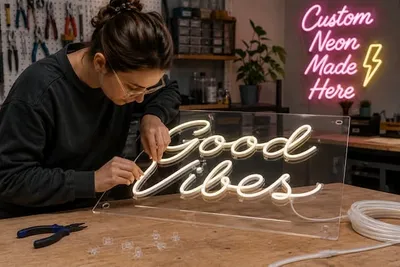
- We supply high-quality custom LED neon signs in a range of colors and sizes so you can get a high-quality addition to your salon lighting design.
Table of contents
-
Best Lighting For Salon
-
How Should Hair Salon Lighting Design Be Planned For Layout And Style?
-
What Types Of Salon Lights And Fixtures Are Commonly Used?
-
What Is The Best Overhead Lighting For Hair Salons?
-
How Do Ambient, Task, And Accent Lighting Work Together?
-
How Do Salon Light Bulbs, Brightness, And Technical Specs Affect Results?
-
How Does Lighting Impact Hair Color Accuracy And Perception?
-
What Is The Best Color Temperature For A Salon Environment?
-
Why Is LED Salon Lighting Ideal For Energy Efficiency And Performance?
-
Are Ring Lights And Alternative Lighting Tools Useful In Salons?
-
What Practical Salon Lighting Tips Improve Planning And Maintenance?
Best Lighting For Salon
High-quality salon lighting starts with clarity and consistency. Stylists need light that shows true color, not something that shifts undertones or hides detail. Studies have explored the role of lighting design on human psychology, and your clients need lighting that feels comfortable and flattering.
We usually evaluate the best salon lighting through three lenses:
- Brightness: This determines visibility and focus.
- Color accuracy: Hair color must read accurate both during and after service.
- Atmosphere: This influences how relaxed the space feels.
Functional lighting supports technical work at stations, while aesthetic lighting supports brand identity and mood. The mistake we see often is choosing one at the expense of the other. The best lighting for a salon blends both so performance never feels separate from experience.
How Should Hair Salon Lighting Design Be Planned For Layout And Style?
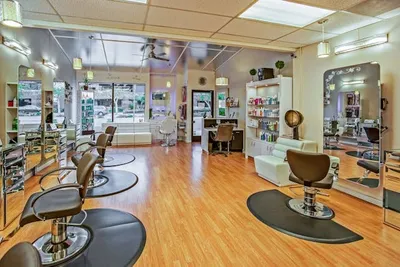
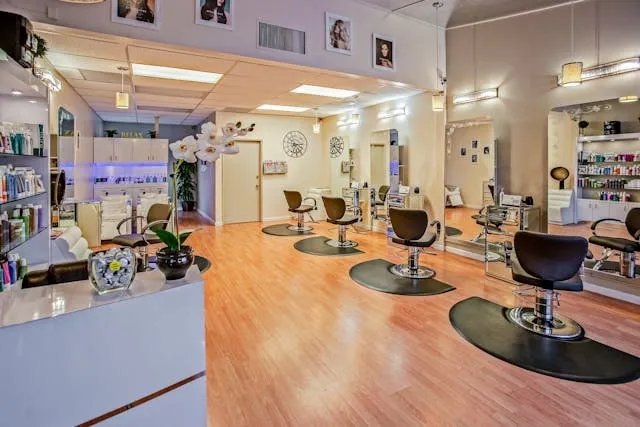
Lighting design should follow the floor plan, not fight it. Each station needs consistent illumination that works with mirrors rather than casting shadows across the face. Walkways benefit from softer lighting that guides movement without pulling focus.
We recommend that you plan hair salon lighting design by mapping how clients and stylists move through the space during a typical day. Modern salon lighting trends are similar to small nail salon interior decoration ideas, favoring things like:
- Cleaner lines
- Fewer fixtures
- Better placement
Instead of flooding the room with salon lights, we distribute light intentionally. That approach improves visibility at stations and keeps the overall environment calm. When lighting aligns with layout, the salon feels organized even during busy hours.
Most Effective Hair Salon Lighting Ideas For Modern Spaces
Modern spaces benefit from restraint. Depending on your tastes, you may go for a minimalist look, a luxury aesthetic, or a broader contemporary design approach. Let’s look at what this could mean for each:
- Minimalist salons often rely on clean overhead lighting paired with subtle accents.
- Luxury environments use layered lighting to create depth and warmth without sacrificing visibility.
- Contemporary hair salon lighting ideas usually blend both approaches.
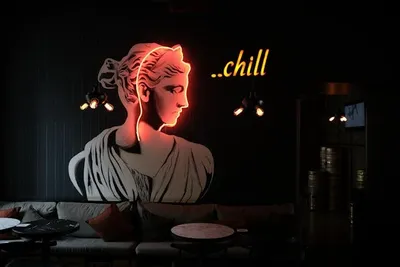
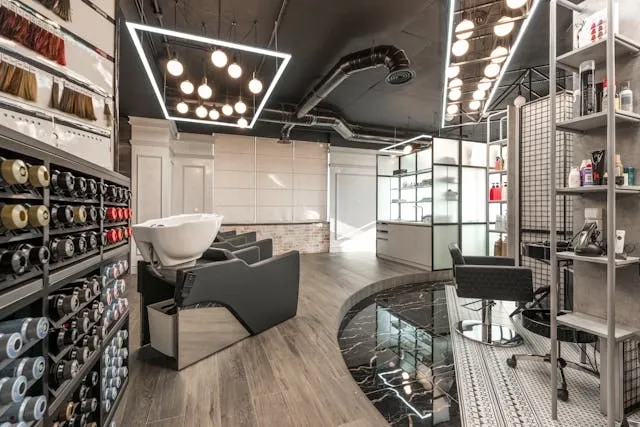
Decorative fixtures add personality, but functional lighting does the heavy lifting. We like seeing statement lights used sparingly so they enhance the space instead of distracting from the work. If you want a custom frontlit lightbox, place it prominently and keep it unique.
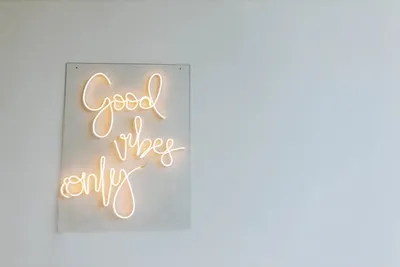
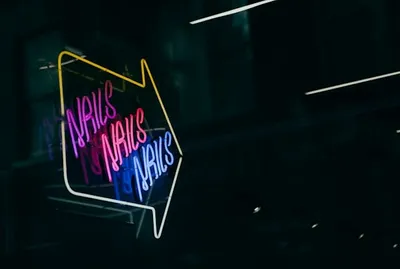
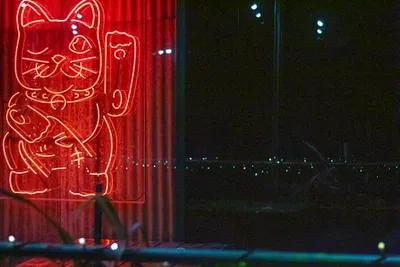
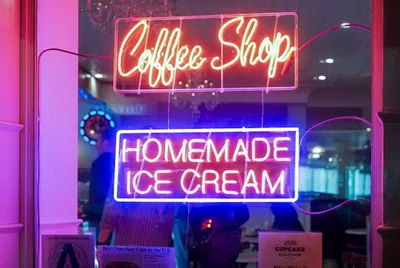
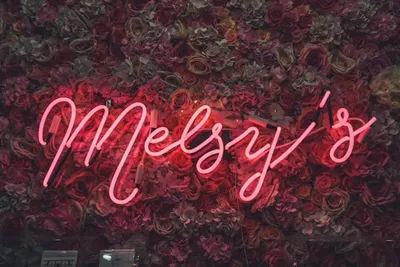
Balance matters. A visually interesting fixture means little if hair salon lights fail to support color accuracy. You can work with us to create custom salon neon signs to add a touch of flair and immerse the surroundings in a vibrant hue with our stunning, affordable statement lights. Our products run on LED technology, so they are durable and energy efficient.
|
Salon Area |
Recommended Brightness (Lux) |
Ideal Color Temperature (Kelvin) |
Minimum CRI |
Recommended Fixture Type |
|
Styling Stations |
750–1000 lux |
4000K–5000K |
90+ |
Vertical mirror-mounted LEDs or front-facing task lights |
|
Color Stations |
1000–1500 lux |
4500K–5000K |
90–95+ |
Diffused task lighting combined with overhead linear LEDs |
|
Wash Area |
300–500 lux |
3000K–3500K |
80+ |
Recessed or indirect overhead fixtures |
|
Reception / Waiting Area |
300–500 lux |
3000K–4000K |
80+ |
Decorative pendants, neon signs, or soft overhead LEDs |
|
Retail / Product Display |
500–750 lux |
3500K–4000K |
80–90+ |
Accent spotlights or track lighting |
|
Photography / Content Area |
1000+ lux |
5000K |
95+ |
Adjustable LED panels or ring lights (supplemental) |
Focused on maximum branding power in your salon?
Work with us to create highly visible custom logo neon signs to display in your space and put your brand front and center.
What Types Of Salon Lights And Fixtures Are Commonly Used?
Most salons use a mix of fixture types to meet different needs. Overhead lighting, station lights, and accent lighting are all common choices:
- Overhead fixtures provide general illumination.
- Station lighting focuses on detailed work at mirrors.
- Accent lighting highlights architectural features or branding.
Fixture choice affects more than appearance. Researchers have explored things like visual comfort and color perception in architectural lighting. Fixtures influence glare, shadow control, and energy use. We see many salons struggle when they rely on one fixture style across the entire space.
Hair salon lights perform best when each type has a clear role. The goal is not variety for its own sake, but coverage that feels even and intentional. You can achieve this with a thoughtful approach to combining different salon lights and fixtures.
What Is The Best Overhead Lighting For Hair Salons?
Overhead lighting works best when it spreads light evenly without creating harsh shadows. Linear LED fixtures and recessed panels are common choices because they distribute light consistently across stations.
Placement matters as much as fixture type. A 2019 study into artificial lighting found that inadequate lighting increases physical strain and poor working posture for hairdressers. For example, lights positioned too far behind the stylist cast shadows on the client’s face and hair.
Ceiling height also plays a role:
- Higher ceilings require stronger output or layered solutions.
- Lower ceilings require careful placement to avoid harsh shadows and awkward angles.
We aim for overhead lighting that supports task lighting rather than replacing it. That combination reduces eye strain and improves accuracy during detailed services.
Choose a quote neon sign that captures the right ambiance for your salon
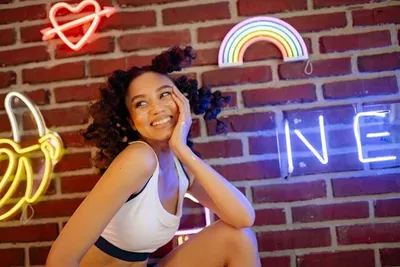
With our service, you can create a custom “Babe You Look So Cool” neon sign or choose another quote that creates the right ambiance.
Learn moreHow Do Ambient, Task, And Accent Lighting Work Together?
Salon lighting works best when it is layered with intent. We often see salons rely too heavily on ambient light, which leaves stylists compensating with posture and eye strain. Here are the details of different lighting types to help you find the right balance:
- Ambient lighting sets the overall brightness and helps the space feel open rather than enclosed.
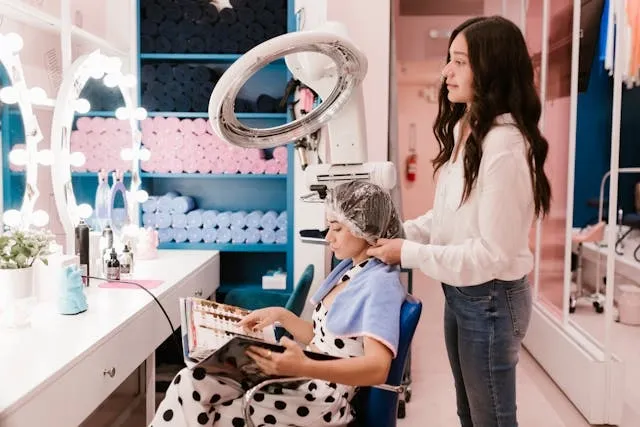
- Task lighting focuses on precision areas like mirrors and styling stations where accuracy matters most.
- Accent lighting adds depth and visual interest without interfering with performance.
When task lighting is placed correctly, stylists work more comfortably and confidently. Accent lighting then becomes a design tool instead of a distraction. Find equilibrium when creating hair salon ceiling lighting ideas and you will create a functional and comfortable environment.
The right balance allows lighting for hair salon spaces to adapt easily to different services, from color work to cutting to consultations, without constant adjustment.
How Do Salon Light Bulbs, Brightness, And Technical Specs Affect Results?
The technical side of salon lighting is where many decisions quietly succeed or fail. For example, brightness determines how well details are visible, but quality matters more than intensity alone.
The way hair appears under artificial lighting also depends on things like:
- Lumens
- CRI ratings
- Beam spread
A bulb with poor color rendering can make tones look flat or inaccurate. We recommend that you pay close attention to CRI because it directly affects lighting hair design work. As custom neon sign makers, we offer a range of light colors and we understand how this affects the environment.
High-quality salon light bulbs reduce guesswork during services. Inconsistent specs across fixtures create uneven results from station to station. Matching technical specifications throughout the salon creates predictability, which matters when clients expect the same outcome every visit.
How Does Lighting Impact Hair Color Accuracy And Perception?
Hair color looks different under different light sources, even when the formula stays the same. Stylists rely on accurate perception during application and final checks, and the following differences can change the hair’s appearance:
- Warm lighting can soften tones
- Cool lighting sharpens contrast
Hair salon lighting requirements exist for this reason. When lighting shifts color temperature unpredictably, results can appear uneven once the client leaves the salon. We have seen color corrections caused by lighting alone. Experts also point to the fact that lighting levels have direct implications for safety in a hair salon environment.
Consistent lighting allows stylists to trust what they see. Clients also respond emotionally to how their color looks in the mirror, which makes lighting part of the service experience, not just a technical detail.
Want to emphasize a certain color in your salon?
We can create a regal custom purple neon sign or you can choose from a range of other colors to set the tone in your salon.
What Is The Best Color Temperature For A Salon Environment?
Color temperature is measured in Kelvin and plays a major role in how a salon feels and functions. Most salons perform best between 4000K and 5000K. This range offers clarity without feeling clinical.
Here’s how color temperature choice affects the salon environment:
- Warmer lighting feels inviting but can distort color accuracy.
- Cooler lighting improves precision but may feel harsh if overused.
We usually recommend a neutral base temperature with slight variation through accent lighting. And remember that decor and fixtures, like custom rectangle table covers, can also have an affect on the perception of light color.
The best lighting for beauty salon environments balances warmth with honesty. The goal is for hair color to look consistent indoors and outdoors. When color temperature aligns across the space, both stylists and clients feel more confident in the result.
Why Is LED Salon Lighting Ideal For Energy Efficiency And Performance?
LED lighting has become standard for modern salon lighting for good reason. LEDs offer better control over brightness and color temperature. They also provide benefits like:
- Consistent output
- Long lifespan
- Lower energy consumption
We have seen salons reduce maintenance significantly after switching to LED salon lights. Fewer replacements mean less disruption during business hours. LEDs also produce less heat, which keeps the environment comfortable during long days.
Performance stays stable over time, unlike older bulbs that shift color as they age. They are also a great choice for salon outdoor sign ideas to get attention and advertise your presence. For salon suite lighting and full-floor layouts alike, LEDs offer predictability that supports both daily operations and long-term planning.
Immerse your clients in an ambiance of beauty and sophistication
Use our online service to create a custom love neon sign that sets your salon as the place to be for beauty or fashion.
Get startedAre Ring Lights And Alternative Lighting Tools Useful In Salons?
Ring lights and portable lighting tools serve specific purposes rather than replacing installed systems. They work well for detailed tasks, photography, or social media content. Some stylists use them during consultations or close-up work.
The limitation is coverage. Ring lights do not provide consistent illumination across an entire station. We see the best results when alternative tools supplement existing hair salon lights instead of compensating for weak overhead lighting. Research has highlighted the importance of things like glare control, luminance balance, and client visual comfort, so choose fixtures to meet these needs.
Used thoughtfully, they add flexibility. Used excessively, they create uneven lighting conditions. Understanding when to rely on fixed lighting versus portable tools keeps results consistent throughout the salon.
What Practical Salon Lighting Tips Improve Planning And Maintenance?
Long-term lighting performance depends on planning and upkeep. We recommend that you document fixture types, bulb specs, and placement during installation. This makes replacements straightforward and consistent.
Here are some specific tips to help you keep on top of your planning and maintenance:
- Regular cleaning matters more than people expect. Dust and product buildup reduce brightness and alter light quality.
- Checking alignment ensures fixtures still point where intended. Small adjustments maintain consistency across stations.
- Planning lighting as an ongoing system rather than a one-time decision keeps salon lighting reliable over time.
Maintenance supports performance just as much as initial design choices. This is important for your overhead lighting, task lighting, and features like custom neon sign quotes.
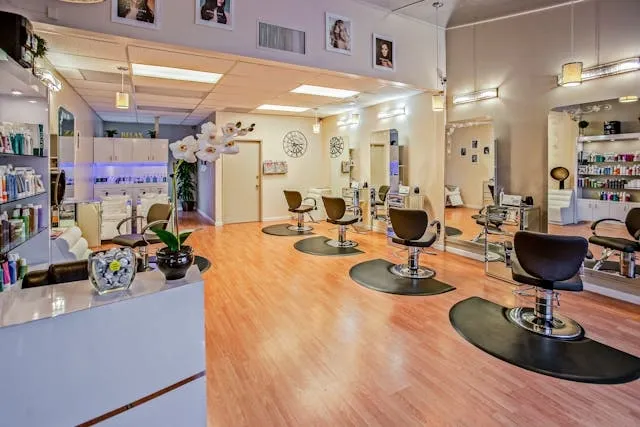
How Should You Assess Your Salon’s Lighting Needs?
Assessment starts with observation. Watch how light falls across mirrors, faces, and work surfaces throughout the day. This will allow you to evaluate their effectiveness for both practical and aesthetic needs.
Different services require different levels of precision. For example:
- Color services demand accuracy
- Styling benefits from softer balance
Client demographics matter as well. Mature clients often prefer gentler lighting that still maintains clarity, while younger clients might like brighter, more direct lighting for precision. We recommend evaluating salon lighting diagram layouts alongside real-world use.
Walk the space during peak hours, taking note of shadows, glare, and uneven zones. Lighting for salon environments works best when it responds to actual behavior, not just floor plans or fixture counts.
Frequently Asked Questions About Best Lighting For Salon
What Makes The Best Lighting For A Salon For Professional Results?
Consistent brightness, high color accuracy, and layered lighting create conditions where stylists can work precisely and clients feel comfortable.
What Is The Best Color Temperature For A Salon?
Most salons perform best between 4000K and 5000K, offering clarity without harshness or color distortion.