Are Neon Lights Illegal In Florida? Laws, Car Underglow Rules, And Color Restrictions
Questions about neon lighting laws come up more often than people expect, especially in Florida. We hear them from drivers customizing cars, business owners installing signage, and homeowners adding personality to their spaces. The confusion usually comes from mixing together different uses of light.
In this guide, we discuss the difference between vehicle lighting and decorative lighting. While there isn’t a blanket ban for decorative lighting, you need to understand the different rules regarding how a sign is used. Read on for your answer to the question “Are neon lights illegal in Florida?”


Key Takeaways
- Florida does not outright ban neon lighting, but regulates how and where it can be used, especially on vehicles. Visibility and color matter more than the technology itself.
- Vehicle underglow laws focus on distraction and imitation of emergency vehicles, not on aesthetic customization. Many setups fall into a gray area.
- Indoor and stationary neon lighting is generally legal in Florida, with far fewer restrictions than automotive lighting, making it a popular option for homes and businesses.
- We supply high-quality custom LED neon signs for customers in Florida. Design options are diverse, and you benefit from competitive pricing and energy-efficient performance.
Table of contents
-
Are Neon Lights Illegal In Florida?
-
Is Underglow Legal In Florida On Vehicles?
-
Is Neon Underglow Legal In Florida When Driving?
-
Are Neon Lights Legal To Use In Homes In Florida?
-
Are LED Lights Illegal In Florida For General Vehicle Use?
-
What Color LED Lights Are Illegal In Florida?
-
What Do Florida Vehicle Lighting Laws And Statutes Say?
-
Are Interior Neon Lights Legal In Florida Vehicles?
-
What Are The Intricacies Of Neon Lights In Florida Regarding Safety, Aesthetics, And Legality?
-
What Penalties Can You Face For Illegal Neon Or Underglow Lights In Florida?
-
Are Neon Lights Legal On Motorcycles In Florida?
Are Neon Lights Illegal In Florida?
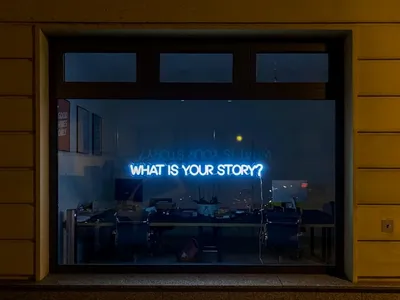
Neon lighting itself is not illegal in Florida. Existing laws focus on usage rather than existence - that distinction matters. The lights that are generally allowed without restriction include:
- Decorative neon signs
- Architectural accents
- Indoor lighting
If you have any of these, you can leave neon light on overnight and there will usually be no issue with legality.
Vehicle lighting receives closer scrutiny because it affects other drivers. Florida law separates stationary lighting from moving lighting and treats them differently. A neon sign mounted inside a building is not judged by the same standards as underglow on a car traveling at night, for example.
Enforcement depends on factors like brightness, color, placement, and whether the light could cause confusion or distraction. We often see people asking are neon lights legal in Florida when the real question is how you are allowed to use them.
If you are exploring the option of buying custom neon signs in Miami, understand that context drives legality far more than the material or technology.
Is Underglow Legal In Florida On Vehicles?
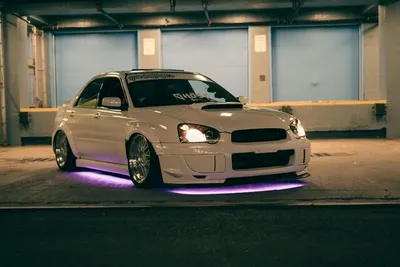
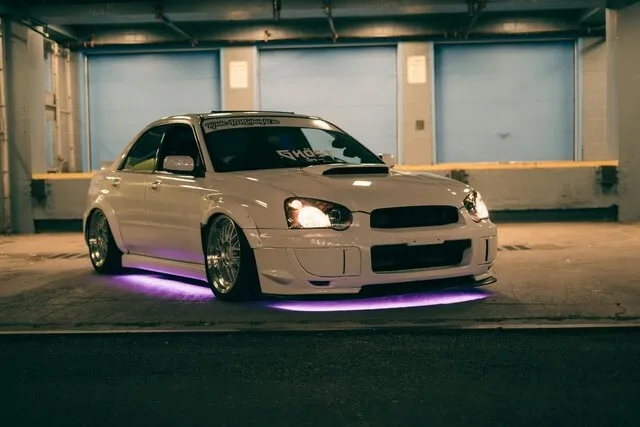
Vehicle underglow lighting refers to lights mounted beneath a car to illuminate the ground below. It is a popular look as it makes a car appear futuristic, as if it is a flying car. Florida does not explicitly ban underglow, which surprises many drivers. Instead, the law regulates how it behaves.
Here are a few key considerations regarding underglow lighting in Florida:
- Constant illumination is treated differently than flashing or rotating lights.
- Color also plays a role. Certain colors raise concerns because they resemble emergency or law enforcement vehicles.
- Visibility matters too. If the light source itself is visible rather than just the glow, enforcement becomes more likely.
We have seen drivers assume underglow is illegal in Florida because of traffic stops that were actually triggered by color choice or brightness. The state focuses on distraction and misrepresentation, not customization alone.
Looking for custom neon signs for a storefront in Florida?
We can create compliant and vibrant custom neon window signs and other options for businesses in Florida to stand out.
Is Neon Underglow Legal In Florida When Driving?
Driving with neon underglow attracts more attention than parked lighting. It also tends to be more distracting than, for example, driving with custom marquee letters illuminated in your rear window. That is where most legal issues arise.
Florida law emphasizes how lights appear to other drivers in motion:
- Neon underglow that remains subtle and non-flashing is often treated as safe and therefore legal.
- Setups that pulse or change color rapidly may be judged to be too distracting for other drivers, prompting intervention.. Police scrutiny increases when lighting draws the eye away from the road.
Enforcement also depends on whether the glow appears continuous or mimics emergency lighting patterns. We often explain that legality while driving is about behavior, not just installation. The same underglow setup may be ignored in one context and cited in another depending on traffic conditions and visibility.
Are Neon Lights Legal To Use In Homes In Florida?
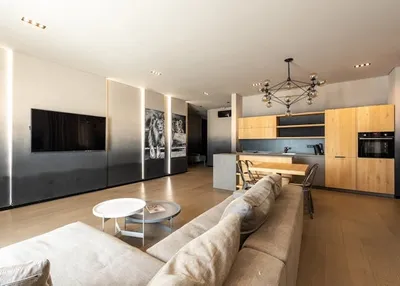
Indoor neon lighting is widely legal in Florida. There are no statewide bans on decorative neon used inside private residences. Many of the best neon signs help to create an ambiance or enhance interior design. Homeowners use neon signs for things like:
- Offices
- Game rooms
- Entertainment spaces
The law does not regulate interior decorative lighting unless it creates a safety hazard. Electrical codes still apply, but those relate to installation quality rather than color or brightness. We often recommend neon lighting for homes because it avoids the legal gray areas associated with vehicles.
Custom made neon lights allow personal expression without worrying about traffic enforcement. You can work with us to create custom LED signs in any design you want and enjoy competitive pricing and energy-efficient performance. Many customers choose indoor neon specifically because it offers creative freedom at reasonable cost.

Choose a striking color for your neon sign in Florida
With custom red neon signs and an array of other colors, we help businesses in Florida create high-quality, compliant neon signs.
Learn moreAre LED Lights Illegal In Florida For General Vehicle Use?
LED lights themselves are not illegal in Florida. The confusion comes from how widely LEDs are used. Studies show that even roadside and mobile advertising signs can be treated as safety-relevant when it comes to regulations, so lights on cars are definitely scrutinized.
You might be surprised to learn just how widespread LED usage is in modern cars and motorbikes. LED technology is used in things like:
- Headlights
- Brake lights
- Accent lighting
Florida law regulates function and placement rather than bulb type. Accent lighting is treated differently from required lighting systems. LEDs mounted in non-standard locations draw attention if they interfere with visibility or resemble restricted lighting.
We often see drivers assume LEDs are banned when the issue is placement or color. Understanding the difference between functional lighting and decorative lighting clears up most misunderstandings.
What Color LED Lights Are Illegal In Florida?
Color matters more than brightness in Florida vehicle lighting law. Certain colors are restricted because they are reserved for emergency and official vehicles. Blue lights are the most tightly controlled, followed closely by red.
Using these colors on a civilian vehicle, especially when visible from the front or rear, can trigger a stop even if the lights are not flashing. Let’s look at some guidance for other light colors:
- White lighting: This is generally allowed when used for standard functions, but becomes an issue if it is decorative and distracting.
- Green and purple: These tend to sit in a safer zone, though placement still matters.
There are generally no restrictions when it comes to creative professional sign ideas for businesses. But we have seen drivers surprised when cited, not because LEDs were illegal, but because the color suggested authority or urgency. Florida focuses on preventing confusion first, aesthetics second.
|
Color |
Commonly associated with |
Typical risk level |
Safer alternatives |
|
Blue |
Law enforcement |
High |
Green/purple (depending on placement) |
|
Red |
Emergency/stop authority |
High |
Amber, soft white (interior only) |
|
White (decorative exterior) |
Headlights/forward lighting |
Medium |
Lower brightness, indirect glow |
What Do Florida Vehicle Lighting Laws And Statutes Say?
Florida statutes are more specific than many people expect. They focus on intent, visibility, and public safety rather than banning categories of lighting outright. Florida Statute 316.235 allows vehicles to be equipped with up to two side cowl or fender lamps emitting an amber or white light, and gives enforcement authority to police officers based on how lighting affects other drivers.
What this means is that interpretation plays a role. Over time, statutes have evolved as lighting technology changed, especially with LEDs becoming common. What once applied to rotating bulbs now applies to digital light patterns. Local myths often exaggerate restrictions, but statewide law is the real reference point.
We always encourage people to look past online rumors and focus on statute language. Research shows that there are even some situations where municipalities regulate illuminated signage on buildings, but the statutes are stricter for vehicles. Understanding the law reduces unnecessary worry and helps avoid accidental violations.
Interested in showcasing your state pride in Florida?
With our custom LED signs with city-focused designs, you can showcase your pride in an eye-catching and compliant way.
Are Interior Neon Lights Legal In Florida Vehicles?
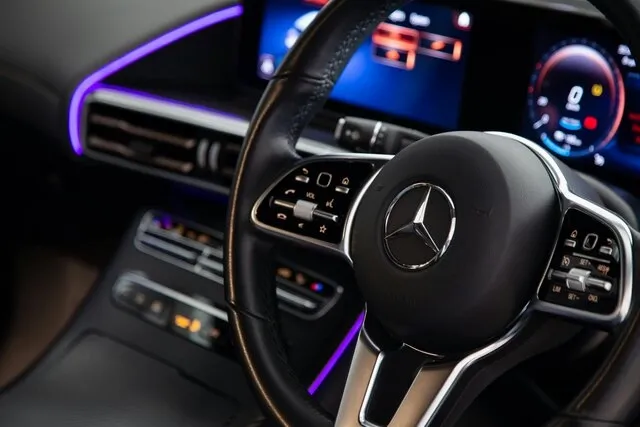
Interior cabin lighting occupies a quieter legal space. Florida generally allows interior neon or LED lighting as long as it does not project outward or distract other drivers. For drivers, it is recommended to ensure reflections in windows don’t impede visibility when on the road.
Legally, problems arise when interior lights are visible through windows at night in a way that mimics exterior lighting. An interior setup could be judged to be overly:
- Bright
- Flashy
- Distracting
These interior setups can still lead to stops if they impair driver visibility or attention. Researchers have studied photometric and illumination characteristics of signs, and how they relate to regulatory standards regarding distraction or light pollution, so it is well-researched.
Many drivers assume interior lighting is completely unrestricted, which is not entirely true. We suggest treating interior lighting as personal ambience rather than a visual statement. Subtlety tends to stay on the safe side, especially during nighttime driving.
What Are The Intricacies Of Neon Lights In Florida Regarding Safety, Aesthetics, And Legality?
Florida tries to balance personal expression with road safety. Neon lighting sits right in the middle of that tension, and academic reviews confirm that outdoor advertising and vehicle lighting controls are a standard tool used by U.S. municipalities.
Lawmakers regulate lighting to reduce distractions and prevent impersonation of emergency vehicles. The goal is to find the right balance to allow people to express themselves but ensure everyone is safe. Essentially, the balance looks like this:
- Aesthetic customization is allowed.
- Clarity on the road must be maintained.
That balance explains why some setups are legal when parked but questionable while driving. We have seen beautiful designs become liabilities simply because of timing or placement. Understanding this balance helps people design lighting that looks intentional rather than risky.
Good lighting should enhance identity without compromising awareness. Ultimately, this comes down to good judgment.
Create a unique neon sign with a personalized design in Florida
With our service, you can easily create custom neon signs online that use energy-efficient LED technology for maximum compliance in Florida.
Get startedWhat Penalties Can You Face For Illegal Neon Or Underglow Lights In Florida?
Enforcement usually starts with a traffic stop. If your vehicle has lighting that could be distracting, cause confusion, or be interpreted as impersonation of an official vehicle, officers may issue a warning or a citation depending on severity.
Most violations are considered equipment issues rather than criminal offenses. Fines vary by county, and repeat violations can escalate consequences. We have seen drivers ordered to address the issue or face further penalties, usually through:
- Disabling the offending lights.
- Complete removal of the lighting installations.
There have been cases where compliance resolved the issue immediately. The biggest cost often comes from reinstalling or replacing lighting incorrectly chosen in the first place. Studies show that there are even heightened regulations for highway-adjacent signage due to traffic safety, so it is no surprise that vehicles are subject to this scrutiny.
Understanding the rules upfront saves time, money, and frustration later.
Are Neon Lights Legal On Motorcycles In Florida?
Motorcycles follow similar lighting rules but face different scrutiny. Visibility is already a safety concern for riders, so accent lighting can be viewed both positively and negatively. For many motorcyclists, things like custom embroidered patches on apparel are sufficient for self-expression, but some like to add decorative lighting to their vehicle.
Florida allows additional lighting on motorcycles if it does not resemble emergency colors or flash improperly. Underglow and accent lights are more noticeable on bikes due to their size. You might even be able to attach something like a custom skull neon sign with a little technical know-how.
Riders often assume bikes are exempt from restrictions, which is not accurate. Placement and color still apply. We have worked with riders who adjusted lighting slightly and avoided issues altogether. Small changes often make a big difference.
Frequently Asked Questions About Are Neon Lights Illegal In Florida
Are Neon Lights Illegal In Florida For Vehicles?
Neon lights are not outright illegal, but vehicle use is regulated. Color, visibility, and flashing behavior determine legality more than the light itself.
Are Neon Lights Legal In Florida For Homes?
Yes. Indoor neon lighting is generally legal statewide, provided it meets basic electrical safety standards and does not create hazards.