How To Install Underglow & Mount Car Neon Lights In A Car
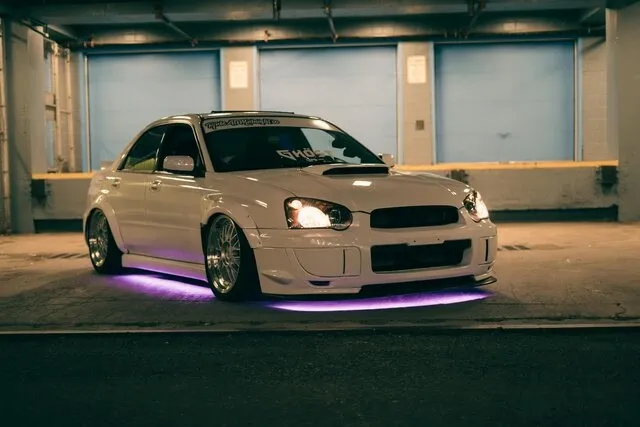
Underglow looks simple once it’s glowing, but there’s a lot going on underneath the car. The right approach for how to install underglow is steady: plan the layout, test the kit, and mount strips carefully. This guide provides tips on getting your underglow installation right.
Key Takeaways
- Test every strip before mounting it, then plan the full wire route before drilling, sticking, or clipping anything under the car.
- Use proper fuses, clean grounds, weather protection, and secure mounting points so the system survives real road use.
- Keep lights away from exhaust heat, suspension parts, jacking points, sharp edges, and any place water can collect.
- We supply high-quality custom LED neon signs that you can design to install in your car to complement the underglow and enjoy a unique look.
Table of contents
-
How To Install Underglow?
-
How To Install Neon Lights In Your Car Safely
-
How To Choose The Right Underglow Kit For Your Car
-
How To Plan The Wiring Layout Before Installing Underglow
-
How To Connect Underglow To A Switch Or Controller
-
How To Secure Underglow Wiring Against Weather And Road Conditions?
-
How To Troubleshoot Underglow Installation Issues
-
How To Test Underglow Before Completing Installation
-
How To Maintain Underglow After Installation
How To Install Underglow?
Learning how to install underglow starts with planning rather than crawling under the car with a drill. Start by unpacking the kit and testing each strip with the controller. Once that’s done, you can decide where each light bar will sit: front, rear, driver side, and passenger side.
It is important to clean every mounting area with alcohol so brackets or adhesive can grip securely. Run the wires toward the engine bay or controller location, keeping them away from things like:
- Exhaust
- Steering
- Belts
- Suspension
Most installs take two to four hours for a careful beginner. The result should be bright, even lighting with no hanging wires, no rubbing points, and no guesswork.
How To Install Neon Lights In Your Car Safely
People often say “neon,” but most modern kits are LED underglow. True neon uses glass tubes and is far more fragile. LED strips are lighter, cooler, and easier to mount under a vehicle.
If you want to know how to install neon lights in your car, start by checking whether the kit is made for interior use, exterior use, or both:
- Interior lights can connect through a 12-volt socket or fuse tap.
- Exterior underglow needs waterproof strips, sealed connectors, and stronger mounting.
Always disconnect the battery before hardwiring. A small mistake near live power can burn a fuse or damage the controller. You could also make your own neon sign to install inside the car for a more cohesive look with your underglow.
|
Factor |
Daily Driver |
Show Car |
|
Lighting Type |
Single-colour LED |
RGB LED with effects |
|
Mounting |
Brackets + sealed hardware |
Hidden mounts for cleaner visuals |
|
Waterproofing |
High IP rating (IP67+) |
Still important, but appearance may take priority |
|
Controller |
Simple switch or basic remote |
App control, music modes, custom patterns |
|
Maintenance |
Built for road dirt, rain, and vibration |
Regular checks before events and displays |
How To Wire Neon Lights In A Car Properly
The safest way to understand how to wire neon lights in a car is to think in three parts: power, ground, and control. Some kits connect straight to the battery with an inline fuse. Others use a fuse box tap so the lights only work when the car is on.
Vehicle lighting reviews suggest that LEDs improve visibility compared to incandescent lighting systems - this is why LEDs are so common in other car lighting today. With underglow, a relay is useful when the kit pulls more power than a small switch can handle.
For grounding, use bare metal on the chassis, not painted metal or a random bolt with grease on it. Scrape lightly, tighten the ring terminal, and protect it afterward. Loose grounds can cause flicker, weak light, and strange controller behavior.
Interested in a custom neon sign for your setup?
Combine underglow with a bespoke neon piece by creating custom neon signs online with our high-quality service.
How To Choose The Right Underglow Kit For Your Car
A good kit makes installation easier before you even touch a tool. Check that it is made for 12-volt vehicles, has enough strips for your car length, and includes a controller that suits how you want to use it.
- Smaller cars may need shorter strips.
- Trucks and SUVs may need longer side pieces.
Look for waterproof ratings, strong mounting hardware, clear instructions, and replaceable parts. Cheap kits can work, but weak connectors and thin wiring often create headaches.
If you are fitting lights for a show car or branded display area, a neat setup matters as much as brightness. Messy wiring ruins the look fast, and always be mindful of how to clean LED neon to ensure you maintain a streamlined look.
What Factors Matter When Selecting An Underglow Kit?
Voltage comes first. Most passenger cars use 12-volt systems, so the kit should match that. Next, be sure to measure the vehicle, as guessing the length can leave dark gaps under the doors or too much excess wire near the bumper.
Count the strips too. A basic kit may include four, while larger vehicles may need six or more for even coverage. Other things you should check include:
- Controller type
- Weather rating
- Cable length
- Mounting style
There are various challenges associated with installing aftermarket underglow because incorrect wiring can lead to problems.
Kits with metal brackets usually hold better than adhesive alone. We would also check whether replacement strips are available - one damaged strip should not force you to buy the whole kit again.
Should You Choose Single-Color Or RGB Underglow?
Single-color underglow is easier to wire, easier to control, and often more reliable. It suits drivers who want one clean look, such as white, blue, red, or green. RGB kits offer more choice, including color changes, music modes, phone control, and remote control.
The trade-off of choosing RGB is extra wiring and more parts that can fail if installed badly. If you want a simple setup, choose single-color, but if you want show-style effects then choose RGB from a reputable brand with sealed connectors.
Before road use, check your local lighting rules. Some colors or flashing modes may be allowed at shows but not on public roads. Not all neon light ideas are legal for driving, so always be mindful of the laws.

How To Plan The Wiring Layout Before Installing Underglow
Planning prevents ugly wiring and unsafe shortcuts. Before mounting anything, place each light strip near its intended spot and loosely route the wires. This will give you an idea of where everything needs to go.
Once you have done this, do the following:
- Find the controller location first. Many people place it in the engine bay, trunk, or cabin, depending on kit design.
- Map each wire route along frame rails or existing harness paths. Avoid exhaust pipes, driveshafts, brake lines, fuel lines, and suspension travel.
- Use painter’s tape or small temporary ties to test the layout.
This is also the time to check cable length. If a wire barely reaches during the test fit, it will be a problem once the car moves. Some car aesthetic improvements, like custom metallic air fresheners, are simple, but underglow needs to be planned carefully.
How To Route And Hide Underglow Wiring Under Your Car
Good wire routing is what separates a clean install from a risky one. Run wires along frame rails, factory harness paths, or protected edges under the car - they need to be kept high enough that road debris cannot grab them.
Automotive lighting systems operate as a complex electrical network, and the wiring needs to be routed carefully. Use zip ties every few inches, but do not tighten them so hard that they cut into the insulation. Avoid sharp metal, hot exhaust parts, jacking points, and areas where water sits.
When passing through the firewall for a switch, use an existing rubber grommet if possible. Never leave wires hanging below the chassis. They may look fine in the driveway, but it could get torn loose on the first rough road.
Create a neon sign that complements your underglow aesthetic
With our service, you can create custom letter neon signs in any style you want to get a look that works alongside other decor elements.
Learn moreHow To Connect Underglow To A Switch Or Controller
Most kits use a switch, remote controller, app controller, or a mix of these. These all vary in terms of complexity and functionality, so it’s important to understand your options:
- A manual switch gives simple on and off control.
- A remote system lets you change color, brightness, patterns, and sometimes music effects.
- If the kit has a control box, mount it somewhere dry, secure, and easy to reach for service.
- For a cabin switch, run the control wire through a rubber firewall grommet and place the switch where it will not distract the driver.
Use a fuse close to the power source. When learning how to put underglow on a car, never skip fuse protection just to save ten minutes.
Work with us to create custom aesthetic neon signs for inside the car to complement the underglow with a bespoke look at a competitive price. With our service, you choose the size, colors, fonts, and design of your neon sign.
Trying to create a retro-futuristic look with underglow?
Capture the aesthetic even better by creating a custom retro neon sign that matches the underglow and makes a real impact.
How To Secure Underglow Wiring Against Weather And Road Conditions?
Underglow lives in a rough place. Water, salt, grit, heat, and vibration all attack the system. Use waterproof connectors where possible, then add heat shrink tubing or electrical tape rated for automotive use.
For exposed areas, wire loom gives extra protection against rubbing. Don’t just mount strips with thin adhesive - use things like:
- Brackets
- Screws
- Clips
Adhesive can help hold position, but it should not carry the whole load under a moving car. Add dielectric grease to connectors if the kit allows it.
After routing the wires, tug each section lightly. If it moves too easily by hand, road vibration will move it more. Motion and exposure are important considerations for anything you add to cars - even custom car coasters in your cup holders!
How To Troubleshoot Underglow Installation Issues
Troubleshooting works best when you move step by step. Do not start cutting wires at random - first, check the fuse. Then check battery power or fuse box power with a test light or multimeter.
From here, you are ready to inspect the ground point. A poor ground is one of the most common causes of weak or flickering lights. If only one strip fails, swap its connector with a working strip if the kit design allows it. That tells you whether the strip or the output is the issue.
For RGB kits, wrong plug alignment can cause odd colors. Slow testing saves time and keeps the system from getting worse.
Why Are Underglow Lights Not Turning On?
If the lights do not turn on, start with the simple checks. Is the battery connected? Is the inline fuse blown? Is the switch on? Is the controller receiving power? Then inspect the ground connection.
The whole system can stop working due to simple things like:
- Painted metal
- Rust
- A loose bolt
Check all plugs too, especially small arrow-to-arrow RGB connectors. Some kits also need the remote battery tab removed before the remote works.
If the kit connects to the fuse box, make sure the fuse tap is in the correct slot and orientation. A malfunctioning underglow isn’t like funny broken neon sign fails - it simply won’t illuminate. A careful five-minute check often finds the fault.
Add a touch of humor alongside that underglow aesthetic
Work with us to create custom funny neon signs that showcase your personality alongside a clean, modern look that matches your underglow installation.
Get startedHow To Test Underglow Before Completing Installation
Testing early saves a lot of frustration. Before mounting, connect the full kit on the floor or workbench and confirm every strip works. This enables you to address any errors before committing to installing the strips.
After loosely placing the strips under the car, test again before final tightening. Then test once more after wiring the switch or controller. In professional conditions, automotive lighting systems are subject to electrical, durability, environment and safety testing.
Check all colors, brightness settings, and modes if it is an RGB kit. Look under the car while the lights are on to spot dark gaps or uneven angles. We like to test with the garage lights off because it shows problems fast.
Fixing a loose plug now is easy. Fixing it after everything is zip-tied is not.
How To Maintain Underglow After Installation
Maintenance is simple, but it should not be ignored. It involves periodic checks, cleaning, and routine fixes as you go. Let’s look at some basic tips:
- Wash road dirt off the light covers by hand instead of blasting them closely with a pressure washer.
- Check that brackets are tight, wires are clipped up, and connectors are sealed.
- After heavy rain, snow, rough roads, or a long trip, look under the car for dangling wires or loose strips.
- If one section starts flickering, inspect it early before water gets deeper into the connector.
- Keep the controller dry and avoid pulling on wires when cleaning.
A tidy install can last well, but only if small issues are caught before they become expensive ones. Just like custom LED signs, underglow strips are built for durability and energy efficiency, but basic maintenance is essential.
How Often Should You Inspect Underglow Components?
Inspect underglow once a month if you use the car often, and sooner after rough driving, bad weather, or any work done under the vehicle. This will enable you to spot problems early and fix them promptly.
Look for things like:
- Loose zip ties
- Cracked brackets
- Damaged insulation
- Missing screws
- Corrosion around connectors
Also check the ground point because vibration can loosen it over time. Glare from vehicle lighting can affect other road users, so check brightness as well. If you hear scraping under the car, you should never ignore it. Stop safely and inspect before the wire catches on something.
For show cars that sit indoors, checks can be less frequent, but test the lights before each event. Nothing feels sillier than arriving with a display that will not turn on.
Frequently Asked Questions About How To Install Underglow
How To Mount Underglow?
Clean the mounting area, test-fit each strip, then attach the lights with brackets, screws, or strong clips. Keep them away from heat, moving parts, jacking points, and low scrape zones.
How To Wire Neon Lights In A Car?
Connect the positive wire to a fused 12-volt source, ground the negative wire to clean bare metal, then connect the switch or controller. Test the system before final mounting.