Neon Sign Cut To Shape Vs Cut To Letter: Which Backing Style Should You Choose?
When we design a neon sign, the backing makes a bigger difference than you might expect. You need to think about neon signs cut to shape vs cut to letter. This is not just a technical choice; it influences how the sign hangs, how it interacts with light, and its longevity.

Key Takeaways
- The difference between neon sign cut to shape vs cut to letter comes down to how the backing is cut and how the design is supported.
- Cut to shape offers stronger structure and a more unified look, while cut to letter creates a lighter, floating appearance.
- The right choice depends on design complexity, installation needs, and how the sign should interact with its surroundings.
- We supply high-quality custom LED neon signs on acrylic backing cut to shape for strength, convenience, and efficiency.
Table of contents
-
Neon Sign Cut To Shape Vs Cut To Letter
-
What Is Sign Backing And Why Is Neon Sign Backing Important?
-
What Are The Benefits Of Cut To Shape Neon Signs?
-
What Are The Benefits Of Neon Sign Cut To Letter?
-
Appearance Differences Between Cut To Shape And Cut To Letter Neon Signs
-
Which Neon Sign Style Is More Durable?
-
When To Choose Neon Sign Cut To Shape Vs Cut To Letter?
-
Does Manufacturing Complexity Affect Neon Sign Cost?
-
How Acrylic Contour Cutting Creates Neon Sign Backing Shapes?
-
How Does Wall Visibility Change Between Cut To Shape And Cut To Letter Signs?
-
How Does Font Style Affect The Choice Between Cut To Shape And Cut To Letter?
-
How Do Lighting Effects Differ Between Cut To Shape And Cut To Letter Signs?
-
How Do Mounting Methods Differ Between Cut To Shape And Cut To Letter Signs?
Neon Sign Cut To Shape Vs Cut To Letter
When comparing neon signs cut to shape vs cut to letter, we are really looking at how the acrylic backing is formed around the design. When it is cut to shape, it follows the outer contour, while a cut to letter design separates each element.
- Cut to shape: This creates one continuous piece that supports the entire sign.
- Cut to letter: Every character or shape sits on its own backing.
We have found that the distinction affects more than appearance. It changes durability, handling, and even how the sign is mounted. Some clients lead toward structure, others toward minimalism. Both can work well, but they solve different design problems depending on context.
What Is Sign Backing And Why Is Neon Sign Backing Important?
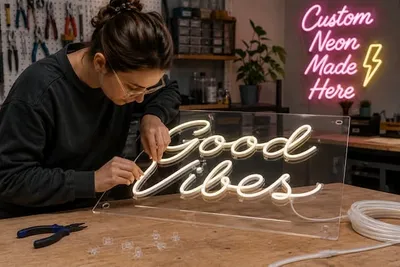
Sign backing is the structural layer that holds everything together. In neon signage, this usually means a clear acrylic panel that supports the tubing or LED strips while keeping wiring in place. This is certainly the case in custom acrylic LED signs.
We often describe it as the foundation that people do not notice until it is missing. Good neon sign backing:
- Protects internal components
- Gives the design its shape.
It also affects how light reflects against the wall behind it. A well designed backing can soften or intensify the glow. When people understand this, they tend to make more deliberate choices about both appearance and long term durability.
|
Decision Factor |
Cut To Shape |
Cut To Letter |
Best Choice |
|
Best for logos and graphics |
One continuous backing keeps multiple elements visually grouped and easier to align |
Separate pieces can make complex graphics feel fragmented |
Cut to shape |
|
Best for simple text |
Works well, but can feel more structured than necessary |
Clean, minimal look that keeps the focus on the lettering |
Cut to letter |
|
Best for script fonts |
Gives extra support to connected strokes and curves |
Can work, but some scripts may look less cohesive when separated |
Usually cut to shape |
|
Best for block or spaced lettering |
More unified appearance |
Crisp, intentional, floating effect |
Usually cut to letter |
|
Visual style |
Framed, defined, solid presence |
Lighter, more subtle, floating look |
Depends on the aesthetic |
|
Wall visibility behind the sign |
Covers more wall area and creates a clear boundary |
Leaves more wall visible, so the surface becomes part of the design |
Cut to letter |
|
Glow effect |
Backing can create a more defined halo around the full design |
Glow feels more isolated around each character |
Depends on the look you want |
|
Durability and reinforcement |
Stronger overall support because the sign is held together on one panel |
Slightly less built-in reinforcement because elements are separated |
Cut to shape |
|
Ease of installation |
Easier to mount and align as one piece |
Requires more precision when spacing and positioning letters |
Cut to shape |
|
Transport and handling |
Easier to handle as a single unit |
Needs more care due to separate sections |
Cut to shape |
|
Best for busy commercial spaces |
Strong outline helps the sign stand out |
Can look too subtle in visually crowded environments |
Cut to shape |
|
Best for minimalist interiors |
Can still work, but feels more present |
Blends more naturally into the room |
Cut to letter |
|
Best when readability matters most |
Good for contained, structured designs |
Great for clear, simple phrases with clean spacing |
Depends on font and spacing |
|
Production efficiency for complex designs |
Often more efficient when many elements are grouped together |
Can become more time-intensive if every letter is separately cut |
Often cut to shape |
What Is The Meaning Of Cut To Shape And Cut To Letter?
These terms come up early in the design process, but they are not always explained clearly. Cut to shape means the backing is trimmed as one piece around the outer edge of the design. Cut to letter means each letter or element is individually cut and mounted.
The difference might seem small at first, though it becomes obvious once installed. Research into text vs symbolism finds that text-based neon signs function differently from purely visual symbols, which has an impact on backing.
The backing does more than hold the neon - it defines how the sign feels visually. We have seen the same wording look bold in one format and almost weightless in the other. Understanding that distinction helps guide better design decisions.
What Are The Benefits Of Cut To Shape Neon Signs?
Cut to shape signs tend to feel more solid, both visually and physically. The continuous backing connects everything, which adds stability and reduces the risk of stress on individual elements.
We have noticed this makes a bigger difference with:
- Detailed logos
- Designs that include multiple parts
The unified panel also makes mounting more straightforward since everything aligns as one piece. From a visual standpoint, it creates a defined outline that frames the design.
Some people prefer that clarity, especially in commercial settings. It gives the sign a more structured presence, which can help it stand out in busier environments. When thinking about how to make LED lights, this is an important consideration.
Looking to get a custom shaped neon sign?
Work with us to make your own neon sign with any shapes or text you want for a unique piece for any space.
What Are The Benefits Of Neon Sign Cut To Letter?
Neon sign cut to letter offers a different kind of appeal. Instead of one solid panel, each letter stands on its own, which creates a floating effect once mounted. We have seen this style used often in interior spaces where subtlety matters more than impact.
It feels lighter, almost as if the design is part of the wall rather than placed on top of it. This works particularly well with:
- Simple phrases
- Script fonts
Research into urban visual culture has found that typography, color, and form all make a difference to how a neon sign communicates its message.
Without a large backing, the focus stays on the lettering itself. It is a quieter approach, though still effective when the design is kept clean.
Appearance Differences Between Cut To Shape And Cut To Letter Neon Signs
The visual difference becomes clear as soon as the sign is installed. We often describe it as the difference between a framed piece and something mounted directly to the wall.:
- Cut to shape signs have a continuous outline that sits behind the design, creating a defined edge. That backing can catch light and add a slight glow around the perimeter.
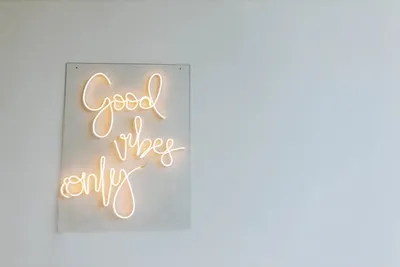
- Cut to letter signs remove that layer, leaving each character isolated. The wall itself becomes part of the design.
Font choice plays a role here as well. Certain styles look more balanced when they are either connected or separated. The same is true for custom frontlit lightboxes and other illuminated signage.
Create custom neon signs in any design you want
Whether you prioritize shape or text, use our service to create custom aesthetic neon signs and get the look you want.
Learn moreWhich Neon Sign Style Is More Durable?
Durability tends to favor cut to shape, mainly because the backing supports the entire structure as one piece. There is less movement between elements, which reduces wear over time.
We have handled both types, and cut to letter signs require slightly more care during installation and transport. That does not mean they are fragile, just that they rely on precise handling. Environmental factors also make a difference. Longevity is influenced by:
- Where the sign is installed
- How often it is moved
In general, both styles perform well when produced correctly, though one offers a bit more built-in reinforcement. Aesthetically, research has found that clear visual cues are effective at influencing behavior and decision-making, so simplicity is key.
When To Choose Neon Sign Cut To Shape Vs Cut To Letter?
Choosing between these styles usually comes down to the design itself. We often ask how the sign will be used before making a recommendation. A busy commercial setting might benefit from a stronger visual outline, while a quieter interior space may call for something more minimal:
- Cut to shape works better for logos, graphics, or anything with multiple connected elements. It keeps everything aligned and visually contained.
- Cut to letter is more suited to simple text, especially when spacing and readability are priorities.
The decision is less about preference and more about how the sign fits its environment. Work with us to create custom LED letter signs or shapes and logos with a shape-cut acrylic backing and enjoy a high-quality piece with your bespoke design front and center.
Does Manufacturing Complexity Affect Neon Sign Cost?
Cost tends to follow complexity, though not always in the way people expect. Pricing is rarely based on backing style alone. Size, font choice, spacing, and total acrylic surface area all come into play, which is why two similar looking signs can vary more than expected.
- With neon sign cut to letter designs, each character requires precise contour cutting, which adds time at every stage. We have seen projects where a short phrase took longer to produce than a detailed logo simply because of that repetition.
- Cut to shape can be more efficient for complex graphics since everything is handled as one continuous panel.
Research into logos on signage shows how shape-based branding can be as powerful as textual signage, so find the right balance between cost and impact.
Interested in LED neon signs in a bespoke design?
With our service, you can create custom neon flex signs that fit any design to get the look and feel you want for your space.
How Acrylic Contour Cutting Creates Neon Sign Backing Shapes?
Behind every finished sign is a cutting process that needs to be exact. Acrylic contour cutting is what defines the final shape of the backing, whether it is cut to shape or cut to letter. We typically rely on CNC or laser cutting to achieve clean, consistent edges.
The level of precision here matters more than people realize. Even a small deviation can affect alignment or how the sign sits against the wall. Accuracy is crucial to bring your neon sign ideas to life effectively.
This process is what allows both backing styles to exist. Without it, we would be limited to basic forms rather than the custom shapes people expect today.
How Does Wall Visibility Change Between Cut To Shape And Cut To Letter Signs?
Wall visibility is one of those details that shifts the entire feel of a sign. We have seen this choice even affect how light spreads, as lighter walls reflect more glow while darker surfaces create contrast.
- With cut to shape, the backing covers more surface area, which creates a defined boundary between the sign and the wall. It feels intentional, almost like placing a panel in the space.
- Cut to letter works differently. More of the wall remains visible, and that changes how the design blends into its surroundings.
The backing style quietly controls how much of that interaction is visible. According to research into visual attention in branding, shape, placement, and contrast can all help determine attention, so this choice can be crucial.
Create a custom neon sign in any shape
We can create custom barbell neon signs, hearts, or other shapes and text options so you are free to design to your vision.
Get startedHow Does Font Style Affect The Choice Between Cut To Shape And Cut To Letter?
Typography often settles the decision faster than anything else. Some fonts naturally hold together, while others fall apart when separated. We have worked with script styles that look elegant in cut to shape but lose clarity when converted to neon sign cut to letter.
- Tight curves and connected strokes need support, otherwise they can feel disjointed.
- Simple, spaced lettering benefits from being isolated. It reads cleaner and feels more intentional.
Before moving forward, we usually review a visual mockup in both styles. That step tends to reveal what works and what does not without guesswork, allowing you to determine the best font for neon sign artwork.
How Do Lighting Effects Differ Between Cut To Shape And Cut To Letter Signs?
Lighting behaves differently depending on how the backing is structured. We have noticed that the difference becomes more noticeable in dim spaces. The glow spreads differently, and the sign either blends or stands apart depending on the style.
- Cut to shape creates a subtle halo effect because the acrylic panel catches and diffuses some of the glow. It softens the edges slightly.
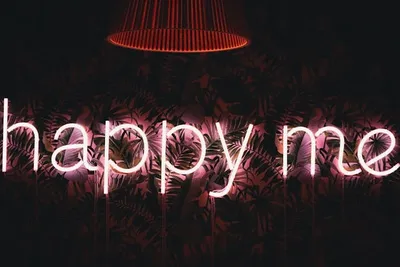
- Cut to letter produces a sharper look. Each element casts its own light directly onto the wall, which can feel more defined.
It is not always something people plan for, though it shapes how the sign is experienced.
How Do Mounting Methods Differ Between Cut To Shape And Cut To Letter Signs?
Installation is where the practical differences show up. As a custom neon sign maker, we have experience of mounting both cut to shape and cut to letter neon signs:
- Cut to shape signs are mounted as a single unit, which simplifies alignment and spacing. The backing already holds everything in place.
- Cut to letter signs require more attention during setup. Each piece needs to be positioned correctly to maintain the intended layout. We often use templates to guide placement, especially for longer phrases.
Weight distribution also varies slightly, which can affect mounting hardware choices. Both styles can be wall mounted without issue, though one demands a bit more precision during installation to achieve a clean final result.
Mounting Considerations For Cut To Shape Signs
Working with a single panel changes how installation feels. The mounting points are usually placed around the edges, which keeps the process straightforward. We have found that this reduces the need for constant adjustment during setup.
Here are a few more considerations:
- Once the panel is aligned, the rest follows naturally.
- It also helps when the wall surface is not perfectly even, since the backing provides some consistency.
- In commercial environments, this approach tends to save time.
- There is less room for spacing errors, and the result feels stable once installed.
Cut to shape is a practical choice when efficiency matters alongside appearance. The principle is similar to custom embroidered patches, where a single backing helps secure the entire design in place.
Mounting Considerations For Cut To Letter Signs
Cut to letter signs require a bit more patience during installation. Each letter or element is mounted individually, which means spacing has to be measured and adjusted carefully. Let’s look at some key considerations:
- We usually rely on templates to keep everything aligned, especially for longer words or phrases. Without that guide, small shifts can become noticeable once the sign is lit.
- The process takes longer, though it allows for more flexibility in placement. Some clients appreciate that level of control.
It can feel more custom when done well. The key is taking time during setup rather than trying to rush through alignment.
Frequently Asked Questions About Neon Sign Cut To Shape Vs Cut To Letter
What Is The Difference Between Cut To Letter And Cut To Shape?
Cut to shape uses one continuous backing panel, while neon sign cut to letter separates each character onto its own backing for a more minimal look.
What Is Neon Sign Backing?
Neon sign backing is the acrylic surface that supports the lighting elements, holds wiring in place, and defines the overall shape and structure of the sign.