Restaurant Lighting Ideas To Transform Ambience And Boost Dining Experience
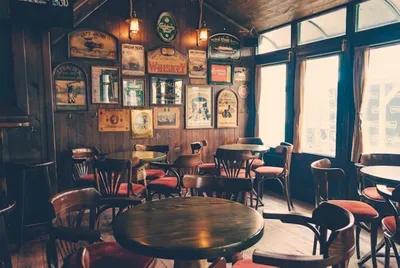
Walk into any restaurant and the first thing we register is not the menu - it is the feeling of the space, and lighting plays a decisive role in that. Good restaurant lighting design does more than help people see their food. It shapes how long they stay and how they perceive value.
In this guide, we discuss how lighting becomes part of a wider experience when paired with details like table presentation and decor. That is where thoughtful planning starts to show.
Key Takeaways
- Lighting shapes perception more than most realise. It affects mood, pacing, and how guests interact with the space without them noticing it directly.
- The best restaurant lighting design balances atmosphere with function, allowing staff to work efficiently while guests feel relaxed and engaged.
- Layered, well-zoned lighting paired with consistent table presentation creates a cohesive environment that feels intentional and professionally managed.
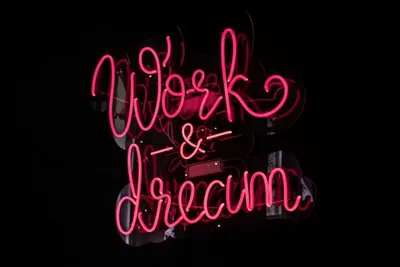
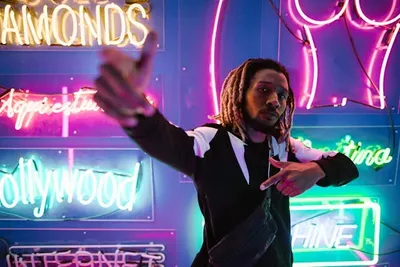
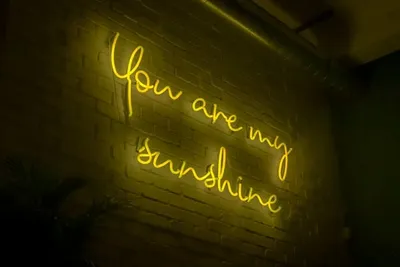
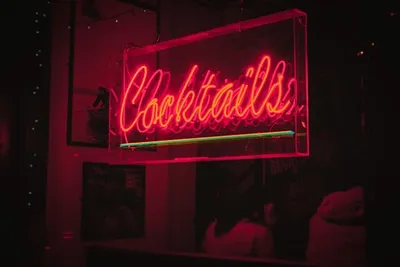
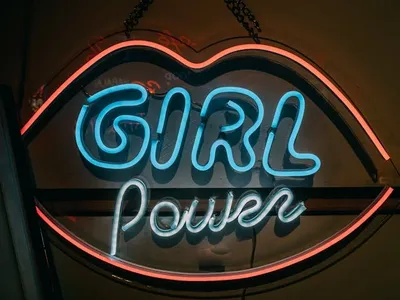
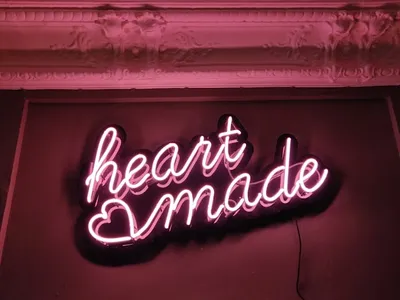
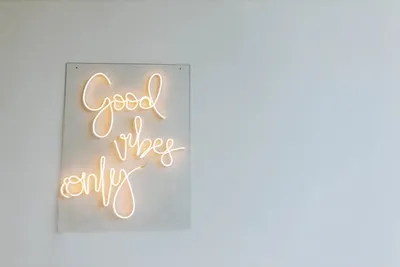
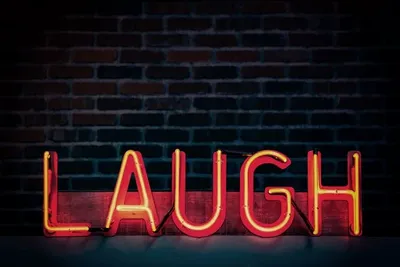
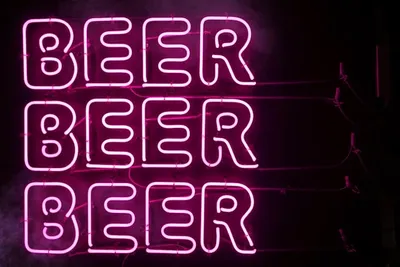
- We supply high-quality custom neon signs that can be tailored to a range of dining environments to enhance the atmosphere.
Table of contents
-
Restaurant Lighting Ideas
-
How To Approach Restaurant Lighting Design For Balance And Impact?
-
How Do Ambient, Task, And Accent Lighting Work In Restaurants?
-
Why Choose LED Lighting In Modern Restaurant Lighting Design?
-
How Should Lighting Be Planned By Zone In A Restaurant?
-
How Does Lighting Influence Restaurant Mood And Guest Psychology?
-
How Do You Select The Right Bulbs And Color Temperatures For Restaurant Lighting?
-
How Can Natural And Outdoor Lighting Enhance Restaurant Appeal?
-
What Is Smart Restaurant Lighting And Why Does It Matter?
-
What Is The 5–7 Lighting Rule In Restaurant Lighting Design?
Restaurant Lighting Ideas
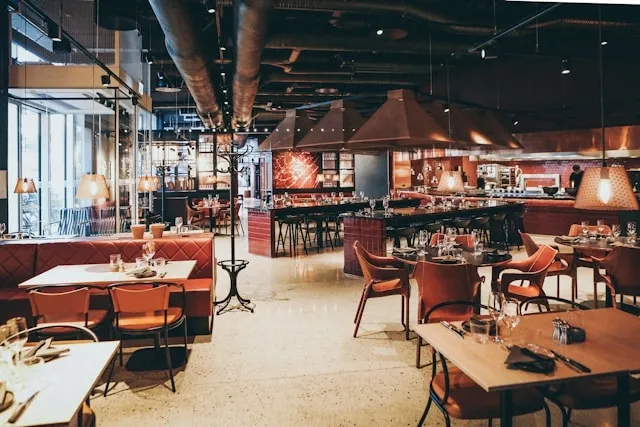
When we talk about restaurant lighting ideas, we are really talking about control. Control over mood, flow, and how people experience the space from the moment they walk in. Lighting influences whether a place feels relaxed, rushed, intimate, or exposed.
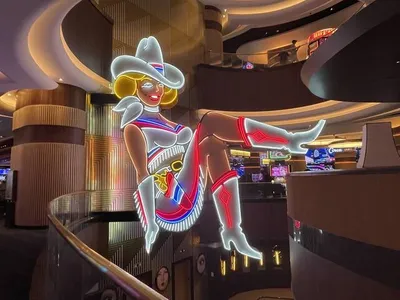
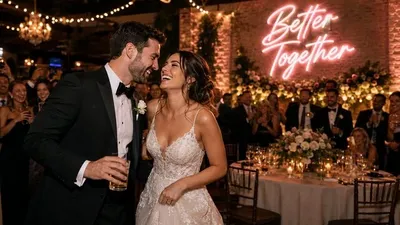
We have seen subtle adjustments like adding custom neon flex signs change table turnover without touching service at all. The best restaurant lighting design blends decorative elements with practical needs, so nothing feels forced.
You might use softer tones over dining areas and brighter light where movement is important. The things that come into play include:
- Creative concepts
- LED integration
- Zone-based lighting
All of these things can work, but only when the foundation is properly planned.
How To Approach Restaurant Lighting Design For Balance And Impact?
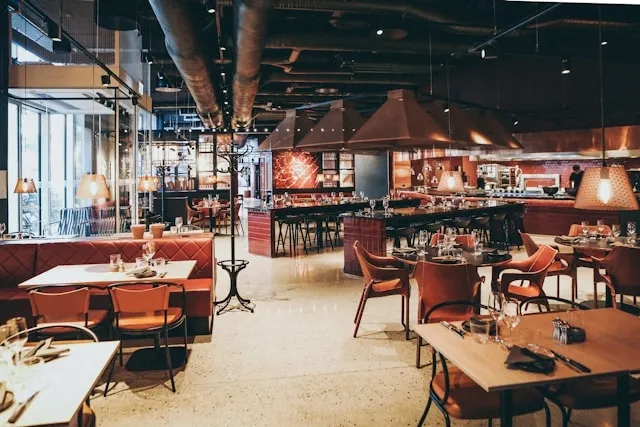
Restaurant lighting design sits somewhere between engineering and storytelling. We need it to work, but we also need it to feel right. That balance does not happen by accident. It starts with understanding how the space will be used, then building a plan before choosing fixtures.
We have worked with layouts where lighting looked impressive on paper but failed during service because it ignored workflow. The best approach considers both ambience and function early on, exploring solutions from task lighting through to custom marquee letters.
When lighting aligns with the restaurant’s identity, whether casual or refined, it stops feeling like a layer added later and starts feeling like part of the concept itself.
|
Zone |
Target Illuminance (Lux) |
Approx. Footcandles (fc) |
Recommended CCT (Kelvin) |
Recommended CRI |
|
Entrance / Host Stand |
200–300 lux |
20–30 fc |
2700K–3000K |
80–90+ |
|
Main Dining Area (Ambient) |
100–200 lux |
10–20 fc |
2200K–3000K |
90+ |
|
Dining Tables (Task Layer) |
200–300 lux (on table surface) |
20–30 fc |
2700K–3000K |
90+ |
|
Bar Counter (Front of House) |
200–300 lux |
20–30 fc |
2700K–3000K |
90+ |
|
Bar Counter (Front of House) |
150–250 lux |
15–25 fc |
2700K–3000K |
80–90+ |
|
Kitchen – General Prep |
300–500 lux |
30–50 fc |
3500K–4000K |
80+ |
|
Kitchen – Detailed Task Areas |
500–750 lux |
50–75 fc |
4000K |
80+ |
|
Pass / Service Hatch |
300–500 lux |
30–50 fc |
3000K–3500K |
90+ |
|
Toilets / Washrooms |
200–300 lux |
20–30 fc |
3000K–3500K |
80–90+ |
What Makes The Best Restaurant Lighting Design Successful?.
The best restaurant lighting design rarely draws attention to itself, yet we notice immediately when it is wrong. Success comes from alignment. The layout, the concept, and the lighting all need to speak the same language.
Modern restaurant lighting design often leans on clean lines and flexible systems, but trend alone is not enough. We have found that strong planning supports both guest comfort and staff efficiency, especially during peak hours. High-quality fixtures also make a difference over time, not just visually but in maintenance.
The entire dining experience feels more composed and intentional when lighting:
- Supports movement
- Highlights tables naturally
- Avoids harsh contrast
How Does Ceiling Restaurant Lighting Design Influence Atmosphere?
Ceiling restaurant lighting design does more than fill a room with light. It shapes how spacious or enclosed the environment feels. Studies have explored the impact of lighting distribution on customers’ emotions and intention to visit a restaurant.
- Recessed lighting tends to create a cleaner, quieter look.
- Surface-mounted fixtures can add character if used carefully.
Ceiling height also plays a role. Lower ceilings benefit from softer, indirect lighting to avoid a cramped feeling, while higher spaces allow more variation. We often rely on indirect lighting to reduce glare, especially in dining zones where comfort matters.
There is also an acoustic side to consider. Certain ceiling setups help soften noise, which subtly improves how guests experience the space without them knowing why.
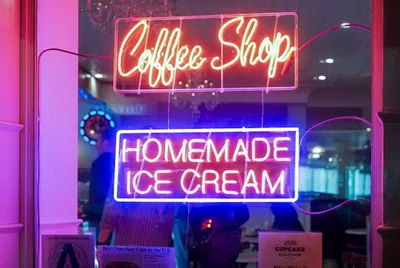
Looking to add a custom neon sign to your restaurant?
Our custom LED signs can be tailored to any theme and make great lighting additions to any restaurant environment.
How Do Ambient, Task, And Accent Lighting Work In Restaurants?
Most strong restaurant lighting design ideas follow a layered approach, even if it is not obvious at first glance. When these layers work together, the space feels balanced rather than flat.
- Ambient lighting sets the base level, giving the room its overall tone.
- Task lighting focuses on specific needs, like reading menus or preparing drinks at the bar.
- Accent lighting adds depth, drawing attention to details that might otherwise go unnoticed. Just don’t ignore considerations like how long neon signs last.
We have seen restaurants rely too heavily on one type, which often leads to discomfort or visual fatigue. Combining all three allows flexibility throughout the day without needing to redesign the entire system.
Why Is Ambient Lighting Essential For Restaurants?
Ambient lighting carries more responsibility than most people expect. It establishes the first impression and sets the baseline for everything else. Research has suggested that dim ambient lighting influences diners’ mental alertness and food choices.
- In casual spaces, slightly brighter ambient lighting encourages energy and movement.
- In fine dining, lower levels create a slower, more relaxed pace.
Ceiling-mounted fixtures and indirect lighting are commonly used to achieve this without overwhelming the room. We pay close attention to uniformity because uneven lighting can make tables feel unintentionally exposed.
Glare is another factor that often gets overlooked. When ambient lighting is handled properly, it feels effortless, allowing guests to settle in without distraction.
How Does Lighting Improve Operational Functionality?
Lighting is not only about atmosphere, it has a direct impact on how smoothly a restaurant runs. Task lighting in kitchens and bars ensures accuracy and safety, especially during busy service periods.
Staff need clear visibility without harsh brightness that causes strain. At the same time, guests benefit from focused lighting that makes menus easy to read without breaking the mood. There are small lighting additions that can make a big difference, such as:
- Under-cabinet lighting
- Well-placed counter lights
We have seen operations improve simply by correcting poorly lit work areas, illuminating workstations and highlighting accents like custom cork coasters. When lighting supports both staff and guests, everything feels more controlled and efficient.
How Can Accent Lighting Set The Mood?
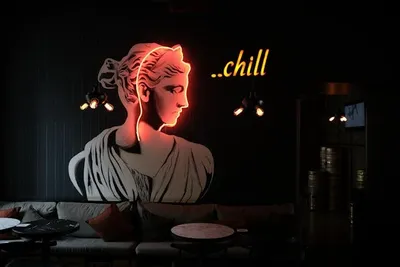
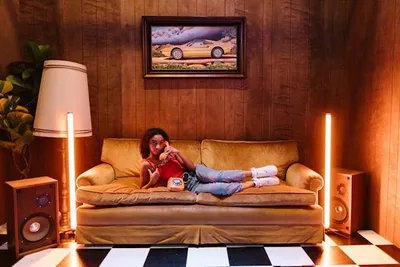
Accent lighting is where personality starts to show. It allows us to guide attention without overwhelming the space. Accent lighting creates contrast that adds depth, whether it is highlighting:
- Artwork
- Architectural details
- Specific tables
- Feature walls
We often use it to shape mood subtly rather than dramatically. Dimming plays a key role here, especially in the evening when the atmosphere shifts. Color contrast can also help, though it needs restraint to avoid feeling theatrical.
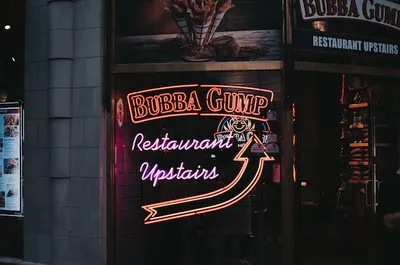
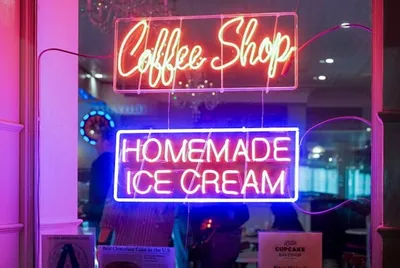
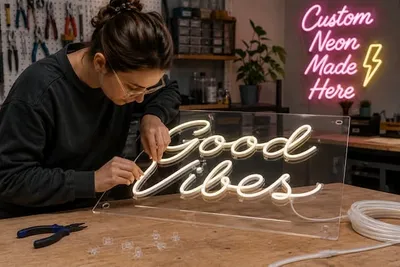
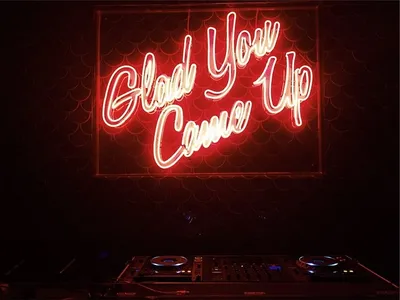
When used well, accent lighting gives the space a sense of intention. Use our custom neon sign maker service to create LED neon signs that highlight or draw attention to certain areas. We offer diverse customization options and great prices for our energy-efficient, durable products.
Why Choose LED Lighting In Modern Restaurant Lighting Design?
LED lighting has become a practical standard in modern restaurant lighting design, and not just for energy reasons. The flexibility it offers is difficult to ignore. We can adjust color temperature, control brightness, and integrate it into areas that traditional lighting would struggle with.
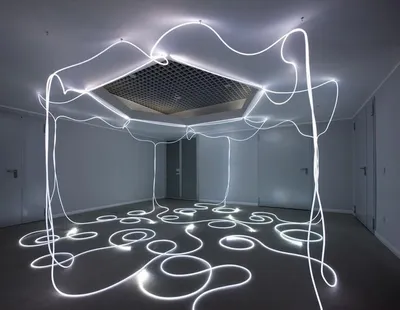
LED strip lighting works particularly well where subtle illumination adds depth without distraction. This could be for:
- Bars
- Shelving
- Under counters
Over time, the cost savings also become clear, especially in high-use environments. We have found that reliability is just as important as appearance. When lighting systems require less maintenance, it allows operators to focus on the experience rather than constant upkeep.
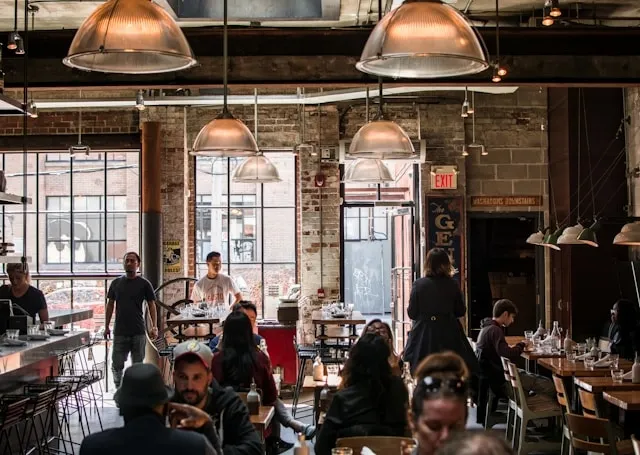
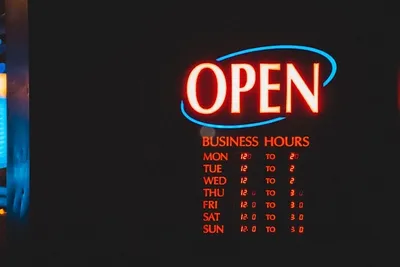
Let potential customers know you are open
Our custom neon open signs can be created in a range of styles, sizes, and colors to increase the visibility of your restaurant from outside.
Learn moreHow Should Lighting Be Planned By Zone In A Restaurant?
A restaurant is rarely one continuous space, even if it appears that way. Each zone has its own purpose, from the entrance to the kitchens, and lighting should reflect that.
- The entrance sets expectations, so it often benefits from a slightly brighter, welcoming tone.
- Dining areas require balance, while bar spaces can handle more contrast and visual interest.
- Kitchens and service areas demand clarity above all else.
- Restrooms, often overlooked, should feel consistent with the overall design.
We think in terms of movement, guiding guests naturally from one area to another. Analysis of interior design in restaurants suggests improvements to lighting significantly increase customer satisfaction and revenue potential.
When zoning is handled properly, transitions feel smooth rather than abrupt, which improves the overall flow of the space.
How Does Lighting Influence Restaurant Mood And Guest Psychology?
Lighting shapes behaviour in subtle ways that most guests never consciously notice. We have seen how small adjustments in restaurant lighting design can shift the entire tone of a service without changing anything else.
- Lower lighting tends to slow people down, encouraging longer stays and more relaxed conversations.
- Brighter environments increase energy, which can support faster table turnover.
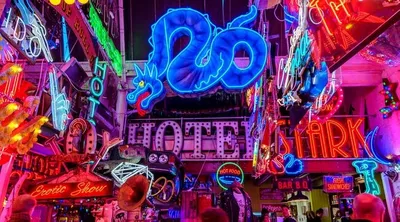
Warm tones often feel more inviting, while cooler tones can feel sharper and more functional. Consider this when exploring neon sign light ideas and other design possibilities.
There is also a perception element. When lighting flatters both the space and the food, guests tend to rate the experience more positively, even if nothing else has changed.
Why Do Fancy Restaurants Have Low Lights?
There is a reason low lighting appears so often in higher-end spaces. It creates a sense of privacy, even in a busy room. Guests feel slightly removed from others, which encourages comfort and longer engagement.
We have noticed that dimmer environments also reduce visual distractions, allowing attention to shift toward the table and the food. Compared to brighter settings, low lighting softens edges and makes the space feel more curated.
That said, it needs control. If it becomes too dark, it quickly becomes impractical. The best restaurant lighting design finds that narrow range where intimacy exists without sacrificing usability.
Thinking about ways to enhance the ambiance in your restaurant?
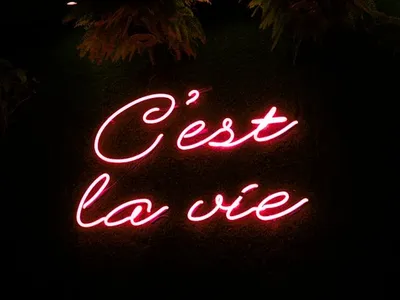
Work with us to create custom “Life Is Beautiful” neon signs or choose another quote to enhance the theme or atmosphere in your space.
How Do You Select The Right Bulbs And Color Temperatures For Restaurant Lighting?
Choosing bulbs is more technical than it first appears, yet it has a direct impact on how everything looks and feels. We pay close attention to CRI (color rendering index), since it affects how accurately food colors appear. Poor lighting can make even well-prepared dishes look unappealing.
- Warm color temperatures, typically in the lower Kelvin range, create a more relaxed and inviting setting.
- Cooler tones can work in kitchens or modern concepts where clarity matters more.
Dining areas usually benefit from warmer tones, while prep areas require brighter, clearer light. Getting this balance right avoids visual inconsistency across the space.
How Can Natural And Outdoor Lighting Enhance Restaurant Appeal?
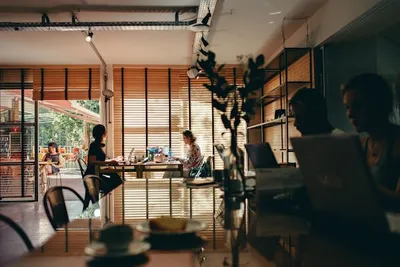
Natural light brings a different quality that artificial systems often try to replicate but rarely match completely. During the day, well-placed windows or skylights can reduce reliance on overhead lighting and create a more open feel.
Researchers have found that lighting is one of the strongest predictors of restaurant customer satisfaction. We often think about how sunlight moves through space across different hours, rather than treating it as static.
Outdoor areas introduce another layer. Soft, layered lighting on patios helps extend usability into the evening without losing atmosphere. When natural and artificial lighting work together, the transition between day and night feels intentional rather than abrupt, which improves the overall dining experience.
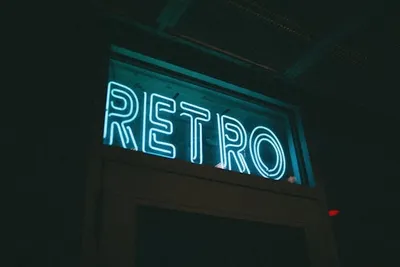
Enhance the vintage vibes in your restaurant
Our custom retro neon signs can be great for capturing a vintage or throwback vibe in any restaurant or diner.
Get startedWhat Is Smart Restaurant Lighting And Why Does It Matter?
Smart lighting systems add a level of control that traditional setups cannot offer. Instead of fixed settings, we can adjust brightness and tone throughout the day with minimal effort. This is particularly useful in spaces that shift from casual daytime service to a more refined evening atmosphere.
Automation also helps maintain consistency, which is often difficult during busy periods. Energy monitoring is another advantage that tends to get overlooked. If you are worried about what voltage neon lights require, these systems provide better efficiency without constant manual adjustment.
We have found that smart restaurant lighting design supports both operational ease and a more polished guest experience.
What Is The 5–7 Lighting Rule In Restaurant Lighting Design?
The 5-7 lighting rule is often referenced in planning discussions, though it is sometimes misunderstood. At its core, it relates to spacing fixtures in a way that avoids uneven distribution.
Typically, the distance between lights is proportionate to ceiling height, which helps maintain consistent coverage. We treat it as a guideline rather than a strict formula - every space has variables that require adjustment.
When applied thoughtfully, it prevents dark patches and overly bright clusters. The goal is not perfection, but balance. A study from 2008 provided a validated framework to measure how lighting and ambiance affect customer experience, and this rule can help.
Guests should not notice the lighting pattern, only the comfort it creates across the room.
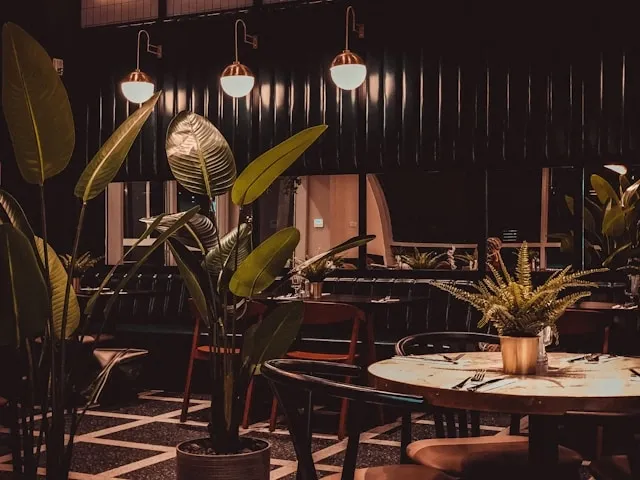
What Is The Best Lighting Strategy For Different Restaurant Concepts?
Different concepts call for different approaches, and this is where restaurant lighting design ideas become more specific. What feels appropriate for one setting may feel completely out of place in another:
- Fast casual spaces often benefit from brighter, more uniform lighting that supports quick movement and clarity.
- Cafes tend to sit somewhere in the middle, balancing comfort with visibility.
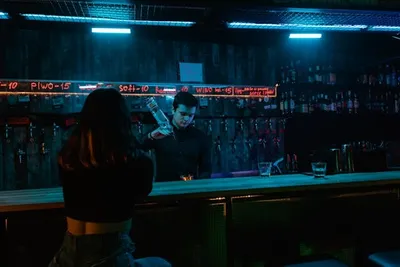
- Bars can handle more contrast and dynamic lighting, especially around focal areas.
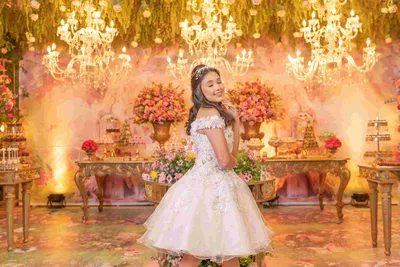
- Fine dining leans toward softer, layered lighting that creates intimacy.
We always start with the audience - the best restaurant lighting design reflects the experience the space is trying to deliver. Whether through ambient lighting, task lighting, or custom aesthetic neon signs, you have many options to create the right strategy.
Frequently Asked Questions About Restaurant Lighting Ideas
What Are The Best Restaurant Lighting Ideas?
The best restaurant lighting ideas combine ambient, task, and accent lighting while aligning with the brand’s atmosphere. A balanced approach improves comfort, highlights the space, and supports both guests and staff without feeling forced.
What Type Of Lighting Is Best For A Restaurant?
There is no single answer. Most spaces benefit from warm ambient lighting, focused task lighting, and selective accent lighting. The right mix depends on the concept, layout, and how the space is used throughout the day.